
Shipping Refurbished Electronics Internationally: What Buyers Ask Us
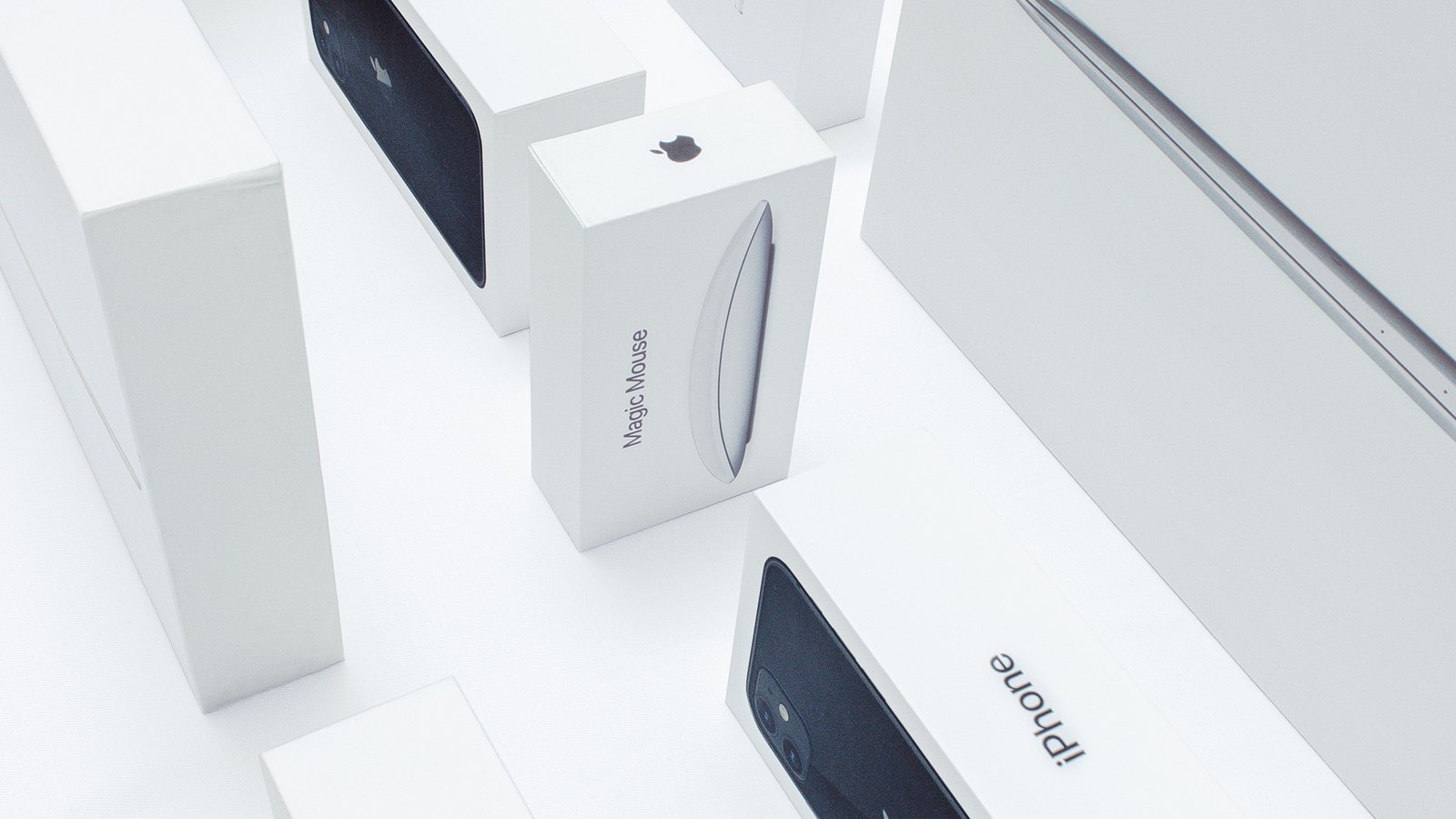
Refurbished electronics cross borders constantly — a reseller in one country buys stock held in another, and the deal only works if the shipping is as well planned as the purchase. The questions buyers ask us are remarkably consistent: how will it ship, what do lithium batteries change, what paperwork customs needs, and who is responsible for the goods at each stage. This article answers those questions the way we answer them in an enquiry, so you can plan an international order before you commit to one.
How Lots Usually Travel
Small and urgent lots move by air courier or air freight; larger, planned orders move by sea freight, where the per-unit cost drops sharply as volume rises. Which route makes sense depends on the size of the lot, its value, and how quickly you need the stock. Phones, tablets and wearables are compact and valuable for their weight, so air is common for first orders and mixed lots, while repeat buyers restocking proven lines often consolidate larger orders by sea. Your quote should state the shipping route and the estimated transit time for your destination — and you should read estimates as estimates, since carrier schedules and customs clearance sit outside any supplier's control.
Lithium Batteries Change the Paperwork
Almost every device in this category contains a lithium battery, and lithium batteries are regulated in transport. Airlines and carriers classify them by whether the battery is inside the device (the normal case for phones and tablets), its capacity, and the condition of the goods. Compliant shipping means correct labelling, the carrier's dangerous-goods declarations where required, and packaging that protects the devices in transit. This is routine for suppliers who ship internationally every week, and a genuine obstacle for those who do not — one more reason the first international order with a new supplier should be a size both sides can manage carefully.
Customs, Duties and Product Rules Are the Buyer's Side of the Deal
When goods arrive in your country, they are imported by you. That means import duties and taxes are assessed under your country's rules, and any local requirements — labelling, certification, restrictions on used electronics — are yours to satisfy. Some countries restrict or condition the import of used electronics, and the rules change. A good supplier will describe the goods accurately on the commercial invoice and packing list (models, quantities, condition), because accurate paperwork is what keeps a shipment moving through customs. But no supplier can know your local import rules better than you or your customs broker — check them before the goods leave, not when they land.
Who Is Responsible at Each Stage
International orders are quoted on delivery terms — commonly EXW, FOB, or delivered terms such as DAP or DDP — and those few letters decide who arranges freight, who insures the goods, and who carries the risk while they travel. There is no best term, only a clear one. Before you confirm an order, make sure you know: at what point does the risk pass to you, is transit insurance included or should you arrange it, and what happens if a carton is lost or damaged. Suppliers who ship regularly will answer in one message. Vague answers at this stage become expensive misunderstandings later.
Packaging Is Part of the Product
Refurbished devices travel best the way they were graded: protected individually, separated so screens and housings do not rub, with accessories kept with their units. Ask how the lot is packed — retail boxes where they exist, protective sleeves or trays where they do not — and whether the packing list matches the cartons. For high-value lots, photographing the packed cartons before dispatch is a normal request, and it settles most questions if a carton arrives damaged.
Frequently Asked Questions
Can refurbished electronics be shipped internationally?
Yes — it is a routine global trade. The shipment needs accurate commercial paperwork, lithium-battery-compliant transport, and an importer (you) who has checked their own country's rules on used electronics, duties and taxes.
Who pays import duties and taxes?
Under most delivery terms, the buyer as importer — unless you agree a delivered-duty-paid (DDP) arrangement, under which the seller handles import clearance and charges accordingly. Confirm the term on your quote; it decides this question.
Why do lithium batteries matter for shipping phones?
Lithium batteries are regulated dangerous goods in transport. Devices with batteries installed ship under specific carrier rules with correct labelling and declarations. Experienced electronics suppliers handle this as standard practice; it mainly affects cost, routing and which carriers can take the shipment.
What paperwork should accompany a shipment?
A commercial invoice and packing list that describe the goods accurately — models, quantities and condition — plus the carrier's transport documents and any battery declarations required. Accurate descriptions are what keep customs clearance fast.
Tell us the category and quantity you need and we will reply with a manual quote in USD within 1 business day. No minimum order.