
Refurbished vs Renewed vs Used: What the Labels Actually Mean
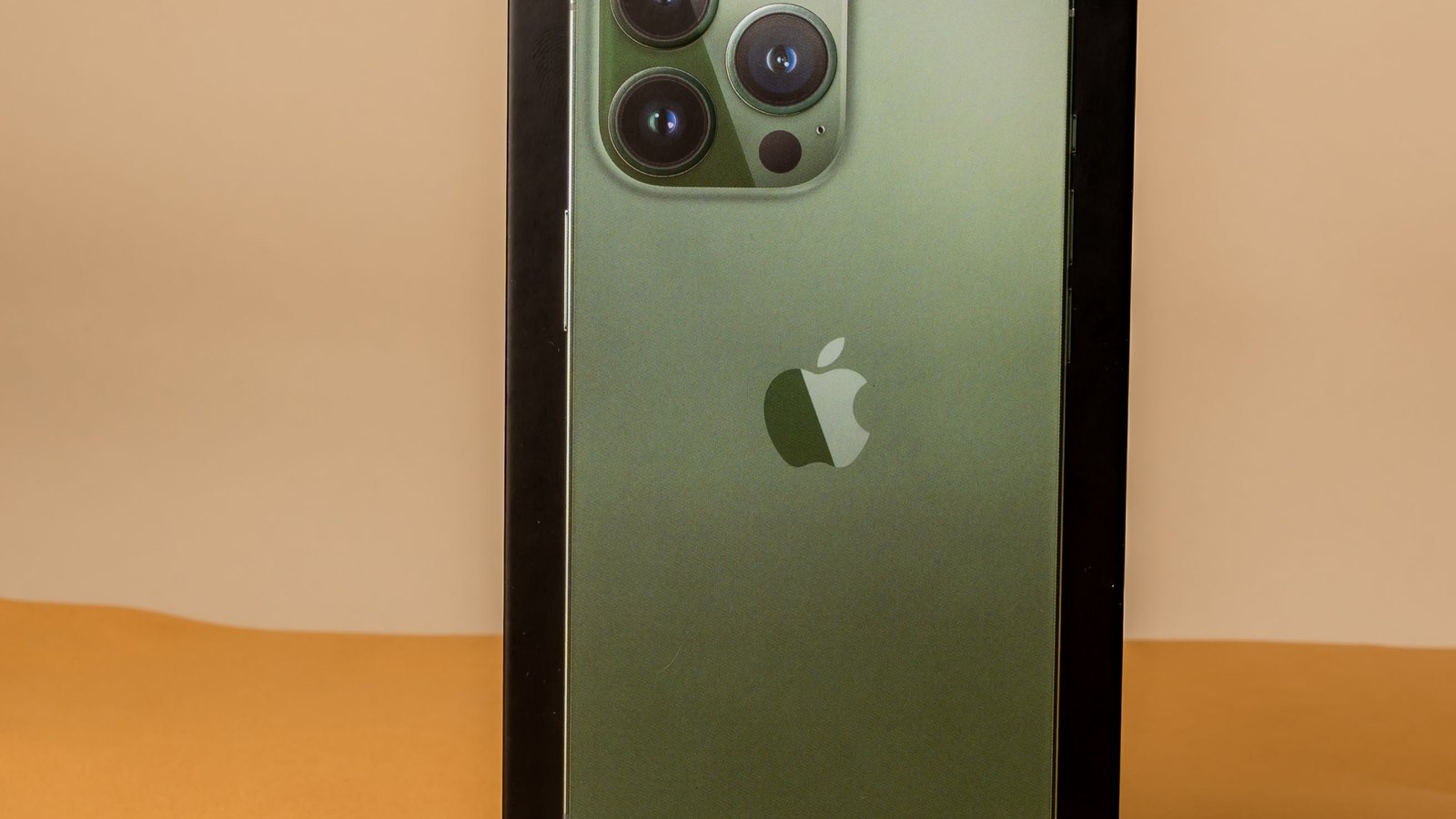
Short answer: none of these three labels is a regulated standard. "Refurbished", "renewed" and "used" mean whatever the seller behind them decides they mean. One seller's refurbished phone has been fully tested, repaired and warrantied; another's has been wiped and put in a box. That is why experienced buyers spend less time on the label and more time on the questions behind it: what was tested, what was repaired, what battery health range is guaranteed, and what warranty is in writing. This article explains what each label usually signals, where the traps are, and what to verify before you buy — especially in bulk.
Why the Labels Are So Confusing
There is no law or industry standard that defines "refurbished" or "renewed" for electronics. Manufacturers, marketplaces and independent sellers all use the words differently, and the same word can describe very different amounts of work. A marketplace program may require a defined inspection and a minimum warranty before a product can carry its label, while an independent listing using the same word may involve no inspection at all. The label tells you how the seller wants the product positioned. The details tell you what you are actually getting.
Refurbished: Tested and Repaired — by Someone
Refurbished should mean the device went through a process: functional testing, repair or replacement of faulty parts, cleaning, a data wipe and a reset. The important word is "should". The quality of refurbishment depends entirely on who did it and to what standard. Manufacturer refurbishment follows the maker's own process and usually carries a manufacturer warranty. Seller refurbishment can be excellent or minimal, and the only way to tell is to ask what the process includes. For a refurbished device, the questions that matter are: which functions were tested, whether the battery was checked and to what minimum health, whether any parts were replaced and with what quality of part, and what warranty covers the result.
Renewed: A Program Label, Not a Process
"Renewed" is best known as marketplace branding — Amazon Renewed is the most visible example — but other sellers use the word too. A renewed product has typically been inspected and tested to work and look like new, and program-backed renewed products usually come with a defined warranty or guarantee period. The label's value comes from the program behind it: who inspected the device, what standard it had to meet, and who honors the warranty if something fails. When a seller uses "renewed" outside a known program, treat it as a marketing word and ask the same questions you would ask about refurbished stock.
Used (Pre-Owned): Sold As It Comes
Used or pre-owned is the most honest of the three labels, because it promises the least. A used device may have been tested, or it may simply have been wiped — or not even that. Battery health, cosmetic condition and remaining lifespan vary unit by unit. Used stock is not automatically bad stock: for repair businesses buying for parts, or for buyers with their own testing and refurbishment capacity, used lots can be the most profitable route because the price reflects the risk. The risk is real, though. Without checks, a used lot can contain activation-locked, blacklisted or faulty units that cannot be resold at all.
What Matters More Than the Label
Whatever the label says, five things decide whether a device — or a lot of devices — is worth buying:
- A written grade definition. What cosmetic and functional standard the grade name stands for, in the seller's own words.
- Battery health as a range. A minimum percentage across the lot, not a single average or a "good battery" promise.
- IMEI and lock checks. Every cellular device clean, unlocked status stated, and iCloud, Activation Lock or FRP removed.
- A warranty in writing. Its length, what it covers, and who honors it.
- A remedy for bad units. What happens if a device arrives faulty, locked or not as described.
If a seller can answer those five clearly, the label on the box matters very little. If they cannot, the label is doing all the work — and that is exactly when to walk away or test with a small order first.
Frequently Asked Questions
Is renewed the same as refurbished?
Not exactly. Refurbished describes a process — testing and repair. Renewed is usually a program or marketing label, most famously Amazon Renewed, which applies its own inspection standard and warranty. In practice the two overlap, and neither word guarantees anything without the details behind it.
Which label is best for resale?
The one backed by a written grade definition, a stated battery health range and a warranty your customers can rely on. A well-documented refurbished lot is easier to sell and support than a vaguely labeled "renewed" one, whatever the sticker says.
Does refurbished mean the battery is new?
No. Refurbished batteries are usually the original battery, tested to meet a minimum health level. Always ask what that minimum is — for iPhones, sellers commonly quote a percentage such as 85% and above — and get it in writing for the lot.
Are used phones worth buying in bulk?
They can be, if you have the capacity to test, repair and grade them yourself, and the price reflects the risk. If you need shelf-ready stock, refurbished lots with documented checks are usually the safer route.
Tell us the category and quantity you need and we will reply with a manual quote in USD within 1 business day. No minimum order.